




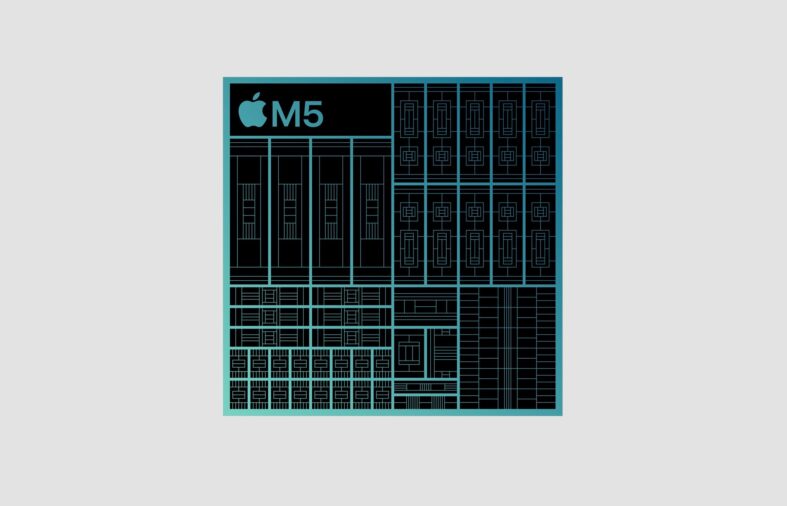

Apple’s main objective to move to its in-house silicon was to gain control, boost performance, and break free from the shackles of Intel. A new report from Ming-Chi Kuo has suggested that Intel might manufacture future entry-level M-series chips for Apple. Just to be clear, Intel will not design the chips, only build them for Apple, acting as a supplier alongside TSMC. This small detail changes everything because it opens the door to real cost savings for Apple and possibly lower prices for buyers.
Apple’s Heavy Reliance on TSMC Is Costing Serious Money
TSMC charges premium rates for advanced nodes, and Apple has been paying the top-tier price since day one of the M series era. The supplier produces millions of wafers, and it leaves Apple with very little pricing flexibility. If Intel steps in as a secondary foundry, the company gains instant negotiating power that it simply does not have with a single source strategy.
If this pans out, which we presume it will, TSMC lowering the prices even slightly could have a major impact on the overall cost of entry-level Macs. To top it off, Intel wants Apple to sign the deal badly, which makes it quite favorable for the iPhone-maker, as it would encourage competition on the supply end.
Intel’s Motivation Makes This Even More Interesting
Intel’s foundry business has been struggling, and it needs a major client to rebuild trust with the industry, and Apple is the biggest approval any manufacturer can receive. This gives Apple the upper hand because Intel has more to gain from this partnership. Such collaborations often result in lower pricing and better terms, but it remains to be seen where this goes.
What Intel is likely offering behind the scenes:
- Lower cost per wafer
- Long-term pricing guarantees
- U.S.-based manufacturing that reduces Apple’s logistics costs
- Priority allocation in new fabs
These advantages will help Apple lower the per-unit cost of the MacBook Air, the Mac mini, and any product running a base M series chip. Even a small drop in chip manufacturing cost can influence retail pricing or improve margins while keeping the prices stable.
What Lower Costs Could Mean For Mac Buyers
If Intel does end up making lower-end chips for Apple, the most noticeable and prominent effect for consumers could be more affordable Macs. Apple might not drop prices dramatically, but it will help it retain the current prices of the entry-level MacBook Air and the Mac mini, both of which have been solid upgrades compared to past models. Apple is also working on a cheaper and smaller MacBook powered with its A18 chip, the same processor that powers the iPhone 16 Pro models, but it remains to be seen if the company will handover the segment to Intel.
The stable prices would allow Apple to further grow its market share in the student and casual user segment. Additionally, lower manufacturing costs could also allow Apple to refresh hardware more frequently without increasing the prices. Consumers could see more consistent updates, better availability, and fewer delays during launch seasons.
Lastly, since Intel is only helping Apple build entry-level M series chips, and not design them, the performance and efficiency remain the same, which is one of the biggest reasons to choose Apple silicon.
Intel helping Apple build entry-level M series chips is not a return to the old Intel Mac era but a strategic move that gives Apple more control over cost, supply, and long-term pricing. Also, it is worth noting that either company has not shared official statements regarding a partnership.
Leave A Reply