




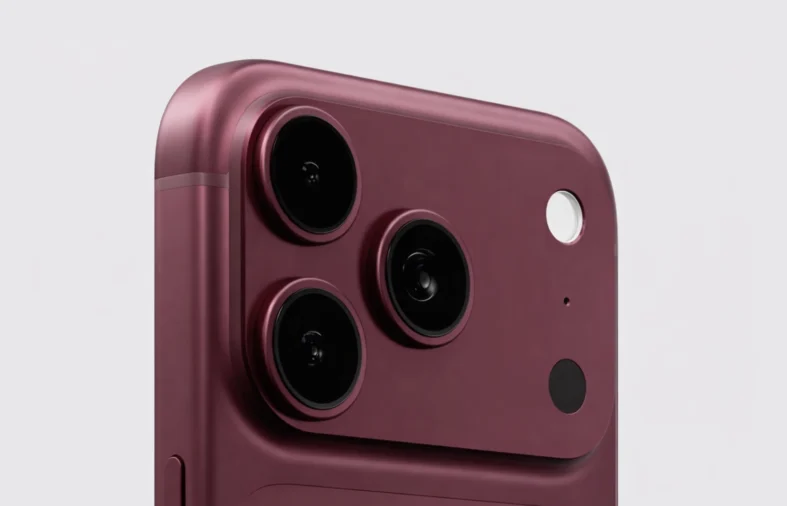

Apple is expected to keep the iPhone 18’s starting price unchanged, even as internal component costs continue to rise. According to analyst Ming-Chi Kuo, Apple is facing notable increases in memory prices for its 2026 iPhone lineup, yet the company appears unwilling to pass those costs directly to consumers. The report points to a familiar Apple strategy where it absorbs costs, trims margins, and adjusts its supply chain while protecting headline pricing.
Apple’s iPhone 18 Price Discipline Signals A Strategy For The Future Rather Than A Short-Term Decision
Kuo notes that DRAM and NAND flash prices could rise by roughly 10 to 25 percent year over year, driven by tighter supply chains and renewed demand across the industry. Despite these obstacles, the iPhone maker is quietly working with suppliers, negotiating new terms to absorb part of the cost increase internally. This suggests that Apple views pricing stability as a competitive advantage rather than a figure that simply reacts to supply chain pressure.
Rather than raising the price of base iPhone models, Apple often chooses subtler levers to protect its profit margins. This includes encouraging upgrades to higher storage tiers, expanding services revenue, and maintaining strong margins on Pro models. Holding the starting price steady helps keep the iPhone accessible to a wider audience, especially in a market where consumers are becoming more price sensitive.
Why Apple Is Likely To Avoid A Base Price Increase
Apple’s decisions align with several long-term priorities:
- Price perception matters: Even a modest increase to the new entry-level iPhone can influence buyer behavior, particularly in emerging markets or among users who are already holding onto older devices for longer upgrade cycles.
- Apple’s scale provides leverage: Few companies can commit to the component volumes Apple brings to memory suppliers, giving it the negotiating power to secure pricing that smaller competitors simply cannot match.
- Product segmentation drives revenue growth: By keeping the base price stable, Apple maintains a clear upgrade path toward higher-margin models while avoiding the risk of alienating budget-conscious buyers.
What Does This Mean For The End User And The iPhone Lineup
For the end user, this approach means the iPhone 18 could feel like a safer upgrade cycle, at least from a pricing standpoint. While Apple may introduce internal changes or cost optimizations that users never notice, the visible price tag is likely to remain the same as the current generation. Even though the iPhone 18 Pro was expected to cost higher due to the A20 series of chips, it remains to be seen where Apple leans on.
From a broader perspective, Kuo’s remarks reinforce the idea that Apple’s pricing decisions are deliberate and strategic, not reactive. Even as component costs rise, Apple appears committed to maintaining stability at the entry level, using its ecosystem and product mix to balance the books rather than leaning on headline price hikes.
Leave A Reply