


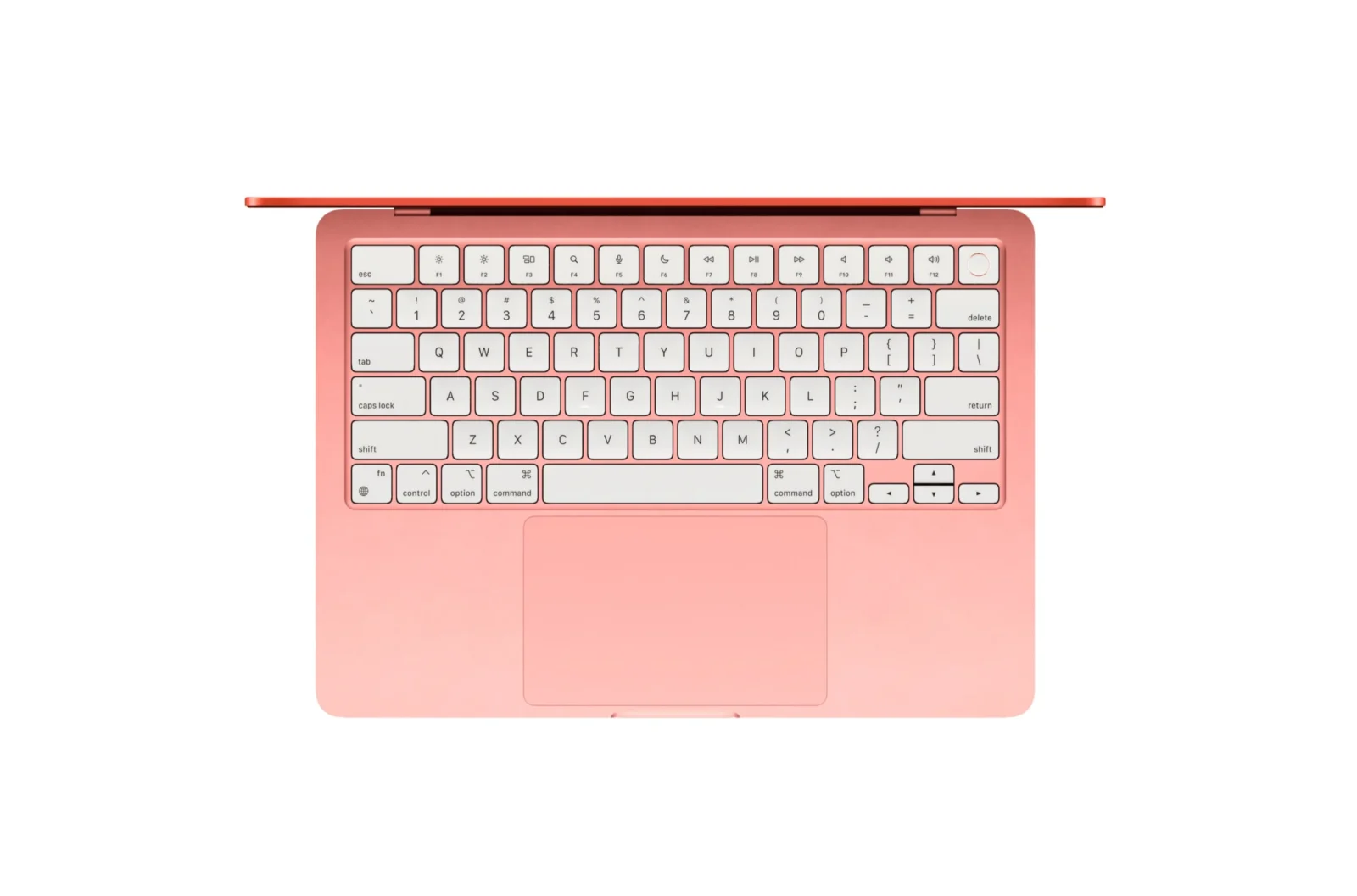




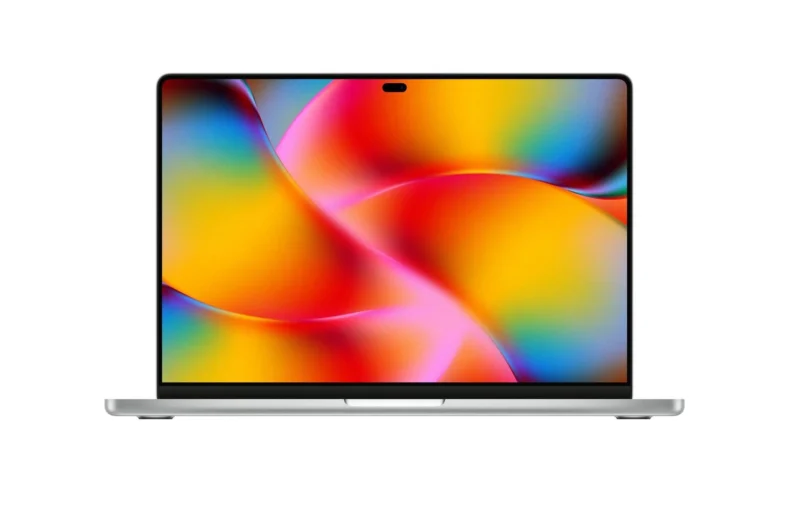

Apple is finally bringing touch to the MacBook Pro, but not in the way many people expected. If you were hoping for a full Mac-iPad fusion or hybrid device, that is not what this is shaping up to be. Instead, Apple appears to be adding touch input while keeping the Mac very much a Mac. This distinction matters more than the touchscreen itself.
Apple Is Adding Touch Without Turning macOS Into iPadOS
According to Bloomberg’s latest Power On newsletter, Apple is working on a touchscreen MacBook Pro targeted for a 2026 launch window. The report also mentions that the forthcoming A18 Pro MacBook will hold immense value and will act as a switching factor for Windows users. The key takeaway is not just the hardware changes, but what it signals strategically. Apple is not too keen to abandon the traditional Mac identity, as it is expanding it, which means that the core macOS experience will remain the same.
Touch support does not automatically mean macOS becomes iPadOS, but the latter is the reason why Apple is not afraid of a touchscreen MacBook. Historically, Apple resisted touch on Macs because macOS was designed around precise cursor control. Buttons, menus, and window management were optimized for trackpad and mouse interaction. If touch is coming in 2026, Apple will need to subtly evolve the interface without compromising productivity workflows.
That likely means refinements rather than reinvention, with larger hit targets in certain areas. Smarter contextual controls with better gesture mapping layered on top of existing keyboard and trackpad input. The goal will be optional touch, and not the primary method of input.
The hardware shift is just as important.
OLED And 2026 Timing Signal A Bigger Redesign Cycle
The 2026 MacBook Pro is also expected to adopt OLED display technology, which would mark a significant upgrade over current mini-LED panels. OLED brings deeper blacks, improved contrast, and potentially thinner display assemblies. Combined with touch capabilities, that points toward a broader display redesign rather than a simple panel swap.
The timing is notable with a fall 2026 launch, which aligns with Apple’s longer MacBook Pro refresh cycles, suggesting this will be a meaningful generational update rather than a minor revision. Touch plus an OLED display positions the MacBook Pro closer to Apple’s premium display philosophy seen on the iPhone and iPad Pro, without collapsing the product categories into one.
The bigger message here is balance. Apple appears willing to embrace touch, but not at the cost of the Mac’s identity. If executed carefully, the 2026 MacBook Pro could modernize interaction while preserving the core strengths that make macOS distinct from iPadOS.
Apple has a lot in store for users this week, so be sure to stick around for new point releases. We are expecting the company to announce its budget MacBook with an A18 Pro chip alongside iPhone 17e, and a lot more.
Leave A Reply