




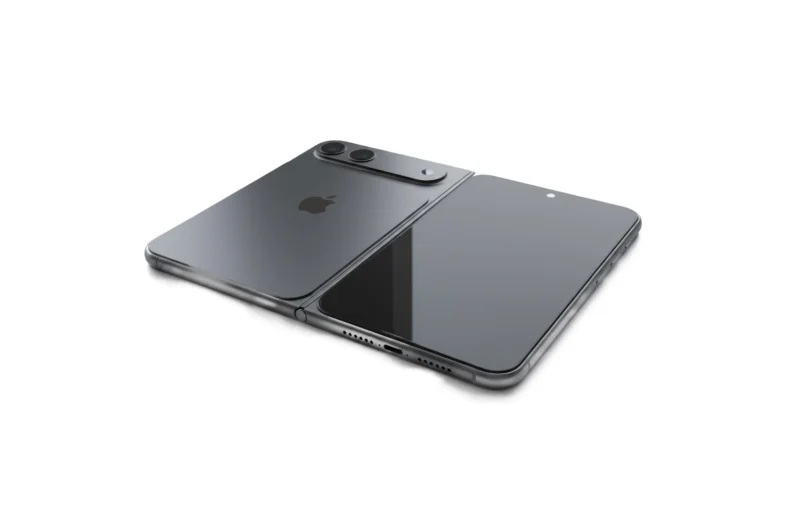

Apple may have found a way to keep the crease flat on the foldable iPhone, but there are other issues that could still cause the device to be delayed. It appears that the foldable iPad will use the same display and hinge technology as the foldable iPhone Ultra, which means the pros and cons could be the same for both.
Apple’s Foldable iPad Could Be Exposing The Weakest Part Of Its Entire Foldable Strategy
Latest information from Digital Chat Station claims that Apple is actively developing a large foldable iPad with a nearly crease-free display, and the same technology is also expected to appear on the long-rumored iPhone Ultra. On paper, this sounds like exactly what Apple fans have been waiting for, which means no visible crease, a cleaner design, and more premium hardware.
However, another report makes the story a bit more complicated, as Instant Digital claims that Apple’s foldable iPhone trial production has reportedly stalled due to issues with the hinge mechanism failing internal durability tests. Apple is said to be unhappy with the long-term reliability of the system, which has slowed down development while engineers continue to refine the hardware.
On its own, both reports sound normal, but together, they reveal something much more interesting. Apple’s foldable iPad may actually be making the iPhone Ultra harder to build.
Apple Might Be Trying To Solve Too Many Foldable Problems At The Same Time
Most current foldables still show a visible crease because reducing it usually requires a more aggressive hinge design underneath the display. The tighter and smoother the fold becomes, the more complicated the hinge system gets.
If you think that’s hard to achieve on a foldable iPhone Ultra, imagine a much larger foldable iPad.
What we mean to say is that a bigger display will create more pressure across the folding area, which means the hinge has to control force more evenly while also surviving years of repeated opening and closing. Thinness, durability, weight, and crease reduction all start fighting each other at once, and it will not be easy to deliver.
This could explain why Apple’s hinge keeps appearing at the center of foldable leaks and delays. The company is not just trying to ship a foldable iPhone before the competition anymore, as that ship sailed long ago.
The company appears to be building a shared foldable hardware platform designed to work across both the iPad and iPhone lineup without obvious compromises. Samsung and other companies accepted certain trade-offs years ago to enter the foldable market early and, to be fair, those trade-offs still exist.
Apple seems to be doing the opposite by refusing to launch until the hardware feels close to a normal premium device. Ironically, the company’s perfectionist approach may be the exact reason why its foldable products are taking too long to arrive.
Leave A Reply