




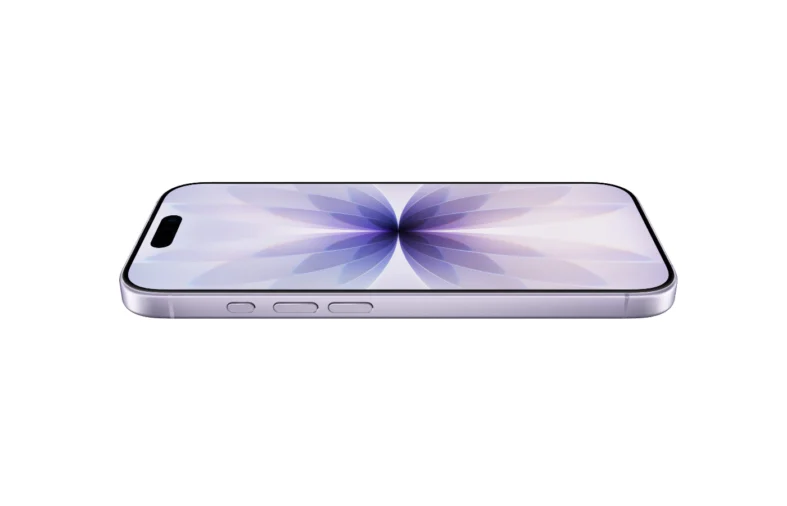

The iPhone 17 lineup quietly introduces one of the most meaningful display upgrades Apple has made in years, and it directly affects the way people think about screen protectors. Apple improved outdoor visibility by adding a stronger anti reflective coating, and it performs impressively on its own. The moment a regular screen protector is applied, that advantage almost disappears, making the feature hold absolutely no value.
We suspect that the forthcoming iPhone 17e will not feature the advanced anti-reflective capabilities of the iPhone 17 and iPhone 17 Pro models, despite featuring smaller bezels and a Dynamic Island.
The New Coating Works Beautifully Until A Standard Protector Cancels It Out
Astropad published a detailed set of reflectivity measurements showing that the bare iPhone 17 display drops reflectivity to around 2 percent, which is a noticeable improvement over previous models. The source’s engineers used controlled lighting to measure how the panel handled glare, and the results showed a brighter, cleaner view outdoors where older iPhones often struggled in strong sunlight.
Once a common tempered glass protector is placed on the screen, the reflectivity climbs to about 4.6 percent. Astropad explained that this happens because most protectors are not designed with anti reflective layers. They simply cover the coating Apple added, and once it is sealed under the protector, the display behaves like a much more reflective and flatter looking panel.
Durability Aspects Sit In Place, But Standard Protectors Still Reduce Quality
Apple improved overall durability with Ceramic Shield 2, which should handle everyday scratches better than before. That does not eliminate the need for protection entirely, but it does change the trade off. Users now lose more visual quality than they gain from low cost protectors that do not respect the new coating. Astropad’s engineers emphasized that the coating is meant to interact with air, not an adhesive layer.
At this stage, only a small number of accessories appear to include their own anti reflective chemistry. The source also mentioned its Fresh Coat protector as an example of one that maintains low reflectivity while offering light protection. Most cheaper protectors will not behave this way, which is why many users report washed out colors, higher glare, and a softer appearance when using the iPhone 17 with untreated glass.
Protectors For The iPhone 17 Are A Downgrade, Instead Of Offering Real Protection
Users generally apply protectors out of habit, but with the iPhone 17 series, the downsides become more noticeable. A protector can undo what Apple improved and create a viewing experience that feels similar to older models. Unless the accessory has its own anti reflective layer, the screen will lose clarity and contrast in both indoor and outdoor settings.
Here are the main issues users are likely to notice:
- More glare in sunlight
- A softer and less crisp image
- Reduced contrast and weaker color depth
- Removal of the improved anti reflective effect
- Minimal protection gains in daily use
The simple takeaway is that the iPhone 17 display finally looks great in bright lighting, but only when left uncovered. If protection still feels necessary, users should look for an anti reflective protector designed with this new coating in mind. Otherwise, using the phone without one may give the better and more accurate visual experience.
Leave A Reply