




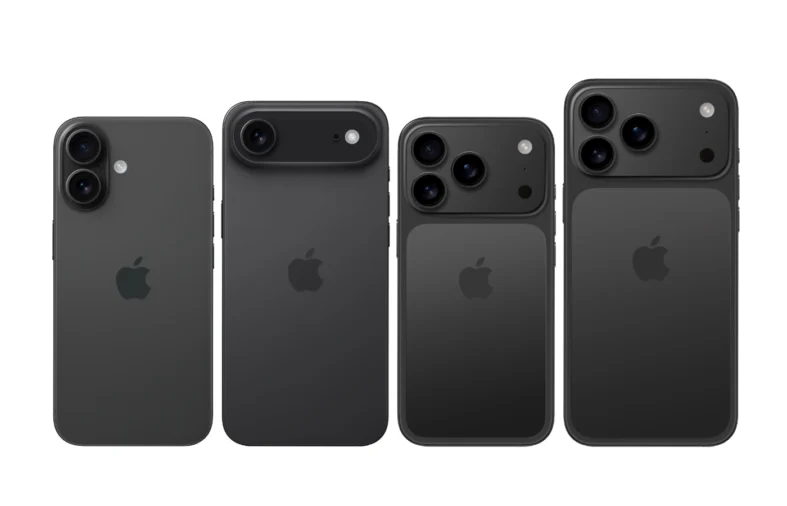

Apple’s iPhone launches were once simple and predictable. One event, one lineup, and a clear sense that Apple wanted every major decision revealed at the same time. That rhythm has quietly shifted, as over the past few cycles, Apple has moved away from treating the iPhone as a single annual moment, opting instead for a more measured and flexible approach that reflects how the lineup, the market, and Apple’s own priorities have evolved.
What’s Changing In Apple’s iPhone Launch Strategy
The change is not about dates on a calendar, but about structure. Apple no longer treats the iPhone lineup as a single product family that peaks at the same time. Instead, attention is increasingly distributed, with Pro models shaping the early narrative while other models enter the cycle more quietly. This shows up through staggered availability, uneven marketing emphasis, and growing gaps between Pro and non-Pro iPhones and meaningful shipping volume for certain configurations.
That shift mirrors how the iPhone lineup itself has evolved. The gap between the Pro and the non-Pro models is no longer just a matter of pricing. Camera systems, display technology, materials, and performance ceilings are now designed for very different users. Launching these products as if they serve the same role creates friction in both messaging and supply. Apple’s launch strategy is slowly aligning with how these devices are actually built and positioned.
There is also a clear effort to extend relevance beyond launch week. Apple has moved away from the idea that everything meaningful must be visible on day one. Software features mature over time, camera capabilities improve through updates, and even hardware refinements sometimes arrive quietly after release. The launch has become the beginning of the iPhone’s lifecycle rather than its defining moment.
Why Apple Is Changing How It Launches The iPhone
At the center of Apple’s iPhone launch strategy is risk management, and since the company operates at scale, even minor inefficiencies can ripple across millions of devices. Launching an entire lineup at once concentrates pressure on manufacturing yields, logistics, and supplier readiness, especially as components become more advanced and margins tighten. A staggered approach gives Apple flexibility when parts of the pipeline need time to stabilize.
Product positioning plays an equally important role, since Apple no longer sells the iPhone as a single idea. It sells a portfolio, with Pro models designed to attract early adopters and enthusiasts who expect premium hardware and are willing to pay for it. On the flip side, standard models prioritize longevity, stability, and broader appeal. Separating how and when these devices take center stage allows Apple to speak to each audience more clearly without compromising the entire lineup.
Apple’s iOS release timing has quietly become one of the most influential factors. Many of Apple’s most ambitious features now depend on software that evolves months after launch rather than arriving fully formed. By loosening the link between announcement and peak relevance, Apple avoids framing that evolution as delay or failure. A flexible launch strategy allows hardware and software to meet on Apple’s timeline, not the calendar’s.
- Manufacturing risk is reduced by avoiding a single pressure point.
- Different iPhone models are positioned for distinct audiences.
- Software development is no longer forced to define launch perception.
What Apple’s iPhone Launch Strategy Means Going Forward
For users, this shift means expectations need to be adjusted. Not every iPhone will feel equally new on day one, and not every feature will define early reviews or buying decisions. Some models are designed to become more compelling over time, shaped by software updates and evolving priorities rather than immediate spectacle.
For Apple, the benefits are structural, as a flexible launch strategy makes it easier to introduce transitional models, test new technologies, or adjust availability without placing excessive pressure on a single event. It also allows Apple to manage momentum across a longer product cycle in a mature smartphone market where consistency often matters more than spikes.
Looking ahead, this approach gives Apple room to evolve the iPhone lineup without destabilizing its core business. New form factors, revised naming structures, or altered release windows become easier to absorb when the launch itself is no longer treated as a rigid ritual. The iPhone does not have to be everything at once, and Apple’s strategy boldly reflects that confidence.
What This Doesn’t Mean
This shift does not signal a loss of confidence in the iPhone or a move away from Apple’s traditional launch season. September still matters, and the iPhone remains Apple’s most important product. What has changed is how much weight the company places on a single moment, with all of its products getting the traction they deserve. Apple is no longer optimizing purely for spectacle, but for control, resilience, and sustained relevance across the full product cycle.
Leave A Reply