




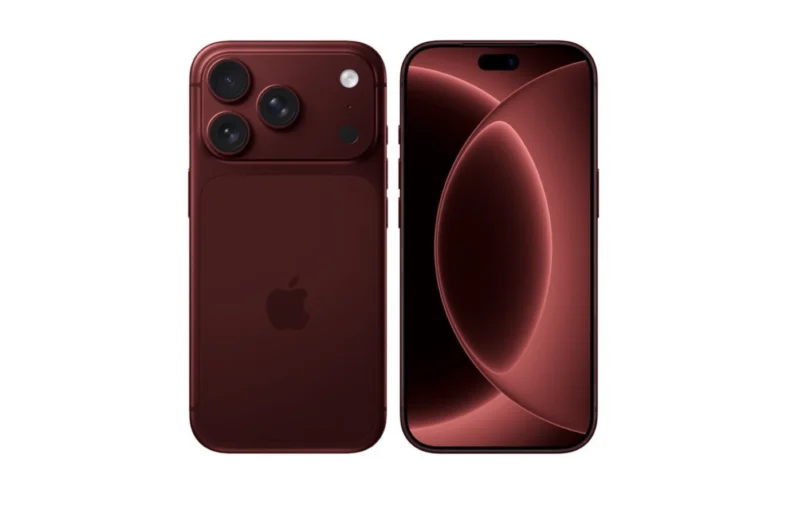

For years, Apple has controlled the premium smartphone narrative through refinement, performance consistency, and tight ecosystem strength. That strategy has worked because the improvements felt deliberate and dependable. But when a competitor introduces upgrades that are immediately visible and easy to demonstrate in a retail setting, refinement alone begins to feel risky. Samsung’s Galaxy S26 Ultra introduces changes that shift perception quickly, and that places unusual pressure on the iPhone 18 Pro before it even launches.
The iPhone 18 Pro vs Galaxy S26 Ultra debate is already shaping 2026 flagship expectations.
If Samsung is pushing bold, tangible upgrades, the iPhone 18 Pro cannot afford to feel like another quiet refinement cycle. It needs to show progress in ways that are immediately obvious, especially in areas that influence buying decisions within minutes of hands-on experience or side-by-side comparisons.
What We Know So Far About The iPhone 18 Pro And Apple’s Bigger 2026 Plans
Based on current expectations, the iPhone 18 Pro will likely follow Apple’s familiar formula of improving the camera system, introducing a faster chip, and expanding Apple Intelligence features across the operating system. Apple tends to evolve its Pro lineup carefully rather than dramatically, which protects reliability and consistency, but also increases the pressure to make each generation feel meaningfully different rather than predictably better, especially after the company’s new iPhone launch strategy.
Alongside the iPhone 18 Pro, Apple’s foldable ambitions, often discussed under the idea of an iPhone Fold, are becoming harder to ignore. Even if that device launches separately, it inevitably changes how we evaluate the Pro models. The iPhone 18 Pro cannot feel like a temporary placeholder while a more radical device waits in the wings. It must stand confidently as Apple’s flagship for users who want a more capable traditional smartphone experience and are not ready to shift to a new form factor.
Privacy Hardware Is No Longer Just A Software Conversation
Privacy has always been one of Apple’s strongest positioning pillars, and it has earned that reputation over time. However, Samsung pushing privacy into hardware territory changes how leadership is perceived in real-world situations, especially when features can be demonstrated instantly.
What Samsung Is Doing:
- Adding display-level privacy filtering to reduce side-angle visibility
- Framing privacy as something users can physically notice
- Demonstrating shoulder-surfing protection in practical scenarios
In showroom environments and public settings, visible protection carries psychological weight. Apple has built trust through on-device processing and strict data policies, yet those strengths are often invisible at first glance. The iPhone 18 Pro should explore dynamic privacy display technology that activates intelligently in sensitive apps, narrowing viewing angles when Face ID detects crowded environments. If privacy is central to Apple’s identity, it should not only be secure under the hood but also visibly reinforced on the surface.
Video Stabilization Is A Visible Differentiator
Apple still dominates serious video workflows with ProRes, reliable HDR processing, and tight ecosystem integration that creators depend on daily. However, stabilization is one of those features that dramatically shifts perception in side-by-side YouTube comparisons and social media demos.
What Samsung Is Doing:
- Promoting advanced horizon stabilization across multiple lenses
- Highlighting motion-heavy demo footage
- Positioning the Ultra as an action-ready recording device
When a device can keep the horizon locked during aggressive movement, it immediately feels more capable to mainstream users. The iPhone 18 Pro needs stabilization improvements that are instantly noticeable. Stronger horizon lock across all cameras, better rolling shutter control during fast movement, and more granular manual adjustments for creators would reinforce Apple’s reputation as the filmmaker’s smartphone. This is less about feature parity and more about protecting a category Apple already claims as core to its Pro identity.
Display Evolution Has To Feel Noticeable
Samsung has long treated display innovation as a headline feature, experimenting with brightness thresholds, anti-reflective coatings, and edge refinement to create immediate visual impact. Display upgrades are easy to demonstrate and easy to compare under store lighting.
What Samsung Is Doing:
- Increasing peak brightness for stronger outdoor readability
- Improving anti-reflective treatments
- Reducing visual borders to enhance immersion
Even subtle changes in bezel thickness or glare reduction can alter how modern a phone feels within seconds. Apple’s approach has traditionally been more restrained, which works until it begins to feel overly familiar next to aggressive competitors. The iPhone 18 Pro would benefit from visibly thinner bezels, improved sunlight performance, and enhanced glare resistance that users can recognize immediately. In a mature flagship market, visual freshness carries significant influence.
AI Must Feel Mature And Deeply Integrated
Artificial intelligence is quickly becoming central to how flagship devices are marketed and evaluated. It is no longer enough to include AI tools quietly in menus. The implementation must feel systemic and consistent.
What Samsung Is Doing:
- Promoting AI-driven summaries and contextual system tools
- nhancing image and video output with real-time processing
- Positioning AI as a defining characteristic of the device
Consumers increasingly associate intelligence with responsiveness and adaptability. Apple Intelligence must feel cohesive, powerful, and widely available rather than staged or limited. The iPhone 18 Pro should emphasize predictive camera framing, contextual memory across apps, and proactive system suggestions that genuinely improve daily use. Apple’s long-term advantage lies in integration across hardware and software, and AI should amplify that ecosystem strength rather than compete on marketing buzzwords.
Pricing Perception Depends On Clear Differentiation
At the Ultra and Pro level, pricing is rarely about affordability alone. It is about whether users feel the device clearly justifies its premium position within seconds of comparison.
What Samsung Is Doing:
- Backing high pricing with clearly demonstrable hardware upgrades
- Framing the Ultra as the most advanced device in its portfolio
- Making feature differences obvious in short retail demos
When visible upgrades align with premium pricing, the value proposition feels easier to defend. For the iPhone 18 Pro, visible differentiation is essential. Clear Pro-only capabilities, stronger creative workflows, and upgrades that everyday users can immediately notice will protect its premium positioning. It has been rumored that the pricing will remain the same for the iPhone 18 Pro, despite rising memory costs.
Samsung has pushed the Galaxy S26 Ultra in a direction that feels assertive and deliberate. The iPhone 18 Pro does not need to copy every move, but it does need to respond strategically and visibly. In a market this competitive, leadership is not about being louder. It is about advancing in the right areas and ensuring that users can see and feel that progress immediately.
Leave A Reply