




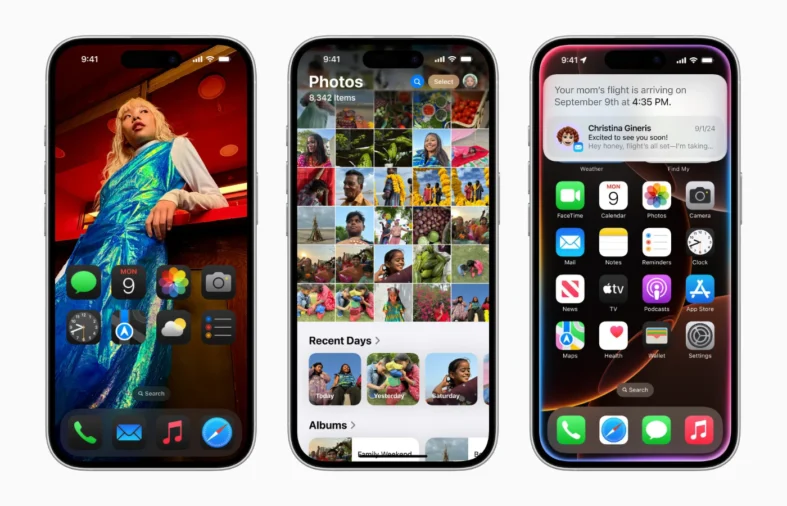

Apple is treating iOS 26 like a major turning point rather than just another update that it rolls out with minor tweaks. You can feel the company’s shift from the moment you open the Settings app on a device that is still running last year’s iOS 18 update.
The iOS 26 upgrade option now sits higher and stands out more clearly, which is Apple’s way of giving people a nudge to install it. To be fair, with the company’s deeper Apple Intelligence features and updated system frameworks becoming Apple’s new foundation, it is obvious why it wants users to move in that direction. Since the company has already started working on iOS 27, it would be wise that users jump to the latest.
Apple Wants iOS 26 To Become The Universal Baseline For All iPhones
iOS 26 is a major shift from the conventional design language, and users have taken it quite aggressively because it feels like a noticeable step away from what they were used to. The new Liquid Glass interface, improved animations, and refreshed layout change how the system feels in everyday use, and you can imagine why that would get a strong reaction. Apple prefers having most users on the same architecture because it makes performance tuning, feature delivery, and overall consistency much easier.
The faster users adopt the new platform, the smoother the transition becomes for the next wave of AI driven improvements. iOS 26 also updates several fundamental components, including system apps, new communication APIs, and enhanced security layers that help pull everything together. These changes give Apple more control over how iPhones behave across the ecosystem, and they reduce fragmentation, which has often been the reason updates roll out unevenly or certain features show up later for older versions.
Staying On iOS 18 Is Becoming A Less Practical Option For Users
Users who choose to remain on iOS 18 are not just missing cosmetic upgrades, but losing access to updated security protections, modern frameworks, and better on device processing abilities that newer apps will eventually expect. Developers are already shifting toward iOS 26 focused APIs, and that naturally means older versions will face more compatibility issues and weaker long term support, which is something many users do not fully realize until it becomes a problem.
Another major point is that Apple’s AI features rely on a unified codebase to function reliably. Features like smarter Siri, contextual suggestions, enhanced writing tools, and on device evaluations all need the newer system pipeline. The older version of iOS simply cannot support these functions consistently, and that is why Apple is encouraging everyone to treat iOS 26 as the safer and more feature rich choice moving forward.
Apple Is Preparing For A More Connected And AI Ready Future
With iOS 26 as the new foundation, Apple can roll out larger AI focused improvements without dealing with outdated frameworks that slow development. The company wants a tightly integrated platform that delivers features across iPhone, iPad, Mac, and Apple Watch without running into compatibility gaps. A unified version also helps Apple maintain better stability, faster patching, and more predictable performance, which is something the company has clearly been aiming for in recent years.
Here’s what Apple gains by pushing users to update to iOS 26:
- A single modern design language across devices
- Faster rollout of Apple Intelligence features
- Better long term support for developers
- Reduced fragmentation for system wide updates
- Stronger security and device reliability
Apple sees iOS 26 as a reset point that sets the stage for bigger ecosystem changes, and this ongoing push shows that the company is ready to move forward without looking back.
Leave A Reply