




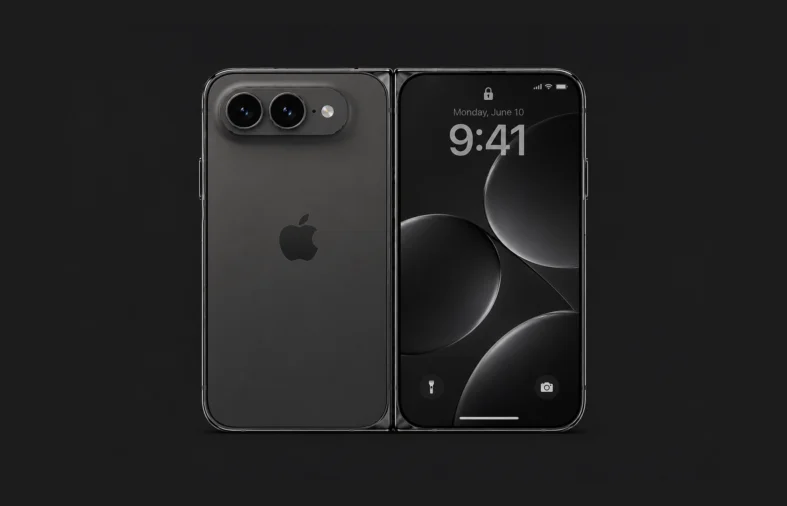

Apple has spent years making the iPhone faster with every new generation. Each new chip delivers more power than the last, but we’re starting to reach a point where raw speed isn’t the biggest challenge anymore. Keeping that performance going may matter just as much.
With that in mind, a new rumor about Apple’s upcoming iPhone Ultra is particularly interesting. Chinese leaker Fixed Focus Digital claims Apple’s supplier Argo has significantly increased its orders for vapor chamber cooling components, reportedly in preparation for the company’s first foldable iPhone and the next-generation iPhone expected to mark the iPhone’s 20th anniversary. If the report proves accurate, this may not just be another hardware upgrade, but one of the clearest signs yet that Apple is preparing future iPhones for much more demanding workloads.
The iPhone Is Doing More Than Ever Before
Apple’s chips have been ahead of the competition for years, which is one of the reasons the company never needed the advanced cooling systems found in many flagship Android phones. Well, today’s iPhone is doing far more than just opening apps or scrolling through social media.
The reported increase in vapor chamber orders is also worth paying attention to. Supply chain leaks should always be treated with caution, but component orders often provide an early indication of the hardware Apple expects to manufacture at scale. If Argo really is ramping up production, it suggests Apple may already be laying the groundwork for a new generation of iPhones.
With Apple Intelligence onboard, AAA games, ProRes video recording, desktop-class apps, and increasingly demanding creative tools, the processor is being pushed harder than ever. The problem isn’t that Apple’s chips aren’t fast enough. It’s that they eventually generate enough heat to reduce their own performance, a process known as thermal throttling.

This is exactly what vapor chamber cooling is designed to reduce.
Better Cooling Isn’t Just For Gamers Anymore
Vapor chamber cooling is typically associated with gaming, but the biggest benefits could go well beyond that.
Think about recording long ProRes videos, editing footage directly from an external SSD, generating AI images, or running future on-device AI models. Those are the kinds of workloads that generate heat over extended periods. A vapor chamber helps spread that heat more efficiently, which allows the processor to maintain higher performance instead of slowing itself down.
Developers could also benefit from smoother testing environments and AI-assisted coding tools, while creators working with large video or photo projects may notice fewer slowdowns during longer editing sessions. As we have previously discussed in our analysis of why Apple could skip the M6 Pro and M6 Max chips, Apple’s hardware strategy increasingly appears to be shaped by AI and sustained performance rather than simply chasing higher benchmark scores.
Why A Foldable iPhone Changes Everything
A foldable iPhone isn’t just a regular iPhone with a flexible display. It brings an entirely new set of engineering challenges.
A thinner design, a larger screen, more multitasking, and increasingly powerful hardware all create more heat while leaving less room to manage it. In that kind of device, better cooling isn’t simply a nice feature to have. It could become essential.
Ironically, Apple spent years proving it didn’t need vapor chamber cooling. Now, the company’s own ambitions may be the reason it finally adopts it.
The Cooling System Isn’t The Real Story
The more interesting part of this rumor isn’t the cooling system itself, but what it suggests about Apple’s future plans.
If Apple really is adding vapor chamber cooling, it suggests the company expects future iPhones to spend much more time handling demanding workloads instead of short bursts of activity. That means more AI processing, longer gaming sessions, more professional video work, and heavier multitasking, all without sacrificing performance because of heat.
In other words, Apple may not be adding vapor chamber cooling because today’s iPhone needs it, but perhaps because tomorrow’s iPhone will.
Leave A Reply