




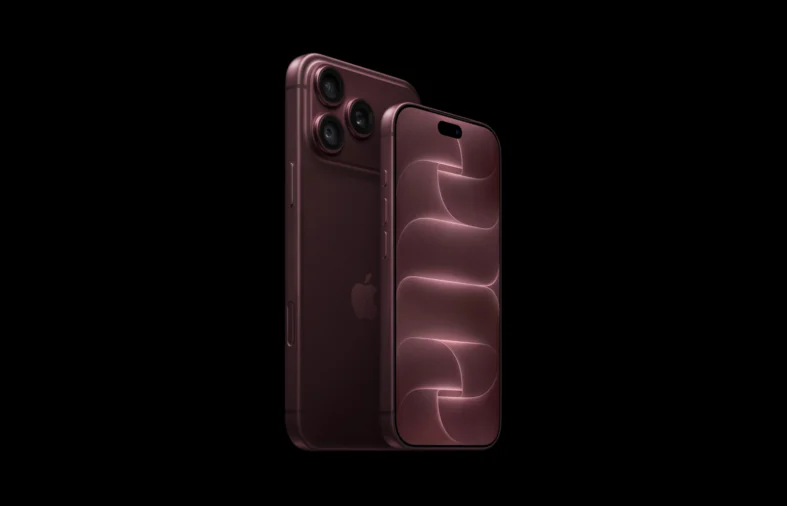

I expected to watch today’s keynote, jot down the usual “faster chip, better camera” bullets, and move on with my day.
It was also the new CEO John Ternus’s first keynote since taking over from Tim Cook, a moment Apple clearly wanted to use to signal continuity.
But the iPhone 18 Pro made me sit up twice, once for the camera, and once for something Apple did not hype enough on stage.
The Camera Finally Gets Real Control
The 48MP Fusion Main camera now has a genuine aperture, six laser-cut blades that physically open and close. I like that it has real moving parts, and not just a software trick wearing a hardware label.
It varies from f/1.48 for low light up to f/4 for deeper focus, with portraits landing around f/1.8.
It’s on both Pro models, which is a major plus, as the company ditched its segregation strategy, which I was expecting at Apple’s Surprise and Shine event.
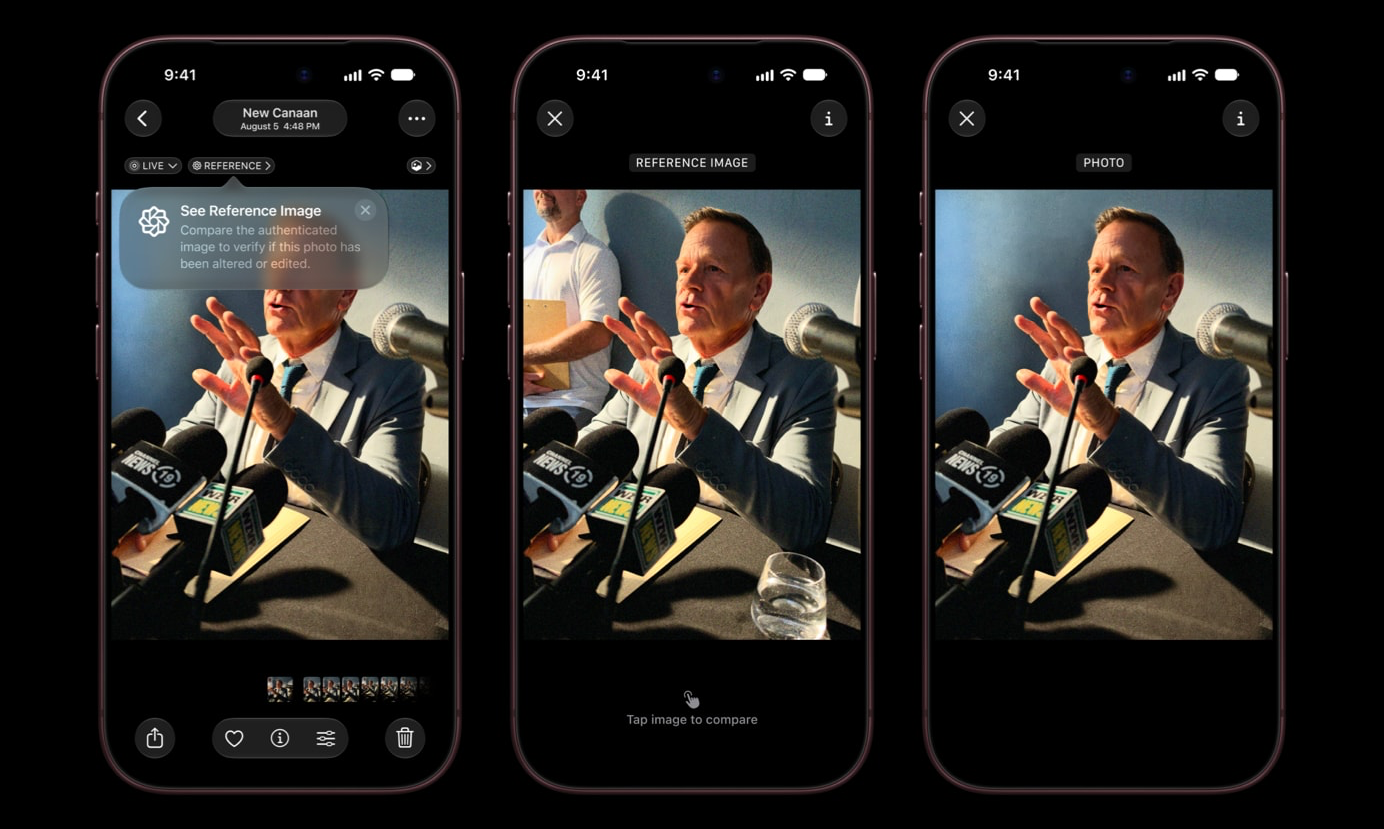
Apple opened four of those aperture settings to manual control, plus an API for developers to take advantage of the new hardware.
Don’t take me the wrong way, this is not my first time seeing a variable aperture lens. I’ve seen them come and go on Android flagships for a decade, so I’m just curious whether Apple can make it stick where others couldn’t.
A Smaller Dynamic Island, A Cooler Chip
The Dynamic Island hasn’t changed since 2022, and I’ve complained about that stagnation more than once.
Apple says it’s reshaped now using “advanced display technology,” without explaining exactly how.
It still runs Face ID for unlocking and payments, but now shows three Live Activities instead of two. I’ll take the extra slot, even if Apple never said the word “smaller” out loud on stage.
The biggest surprise to me was the thermal management redesign, granted Apple just introduced it last year and it has already started making improvements in the design.
Apple says that the new vapor chamber cooling system, with three times more surface area than last year’s design, will deliver up to 40 percent better sustained performance.
I read that less as a chip boast, and more as Apple silently admitting that recent Pro models throttled under load, but did not want to admit it.
A20 Pro Chip Is Now Much Closer To A Desktop-Class M-Series Chip
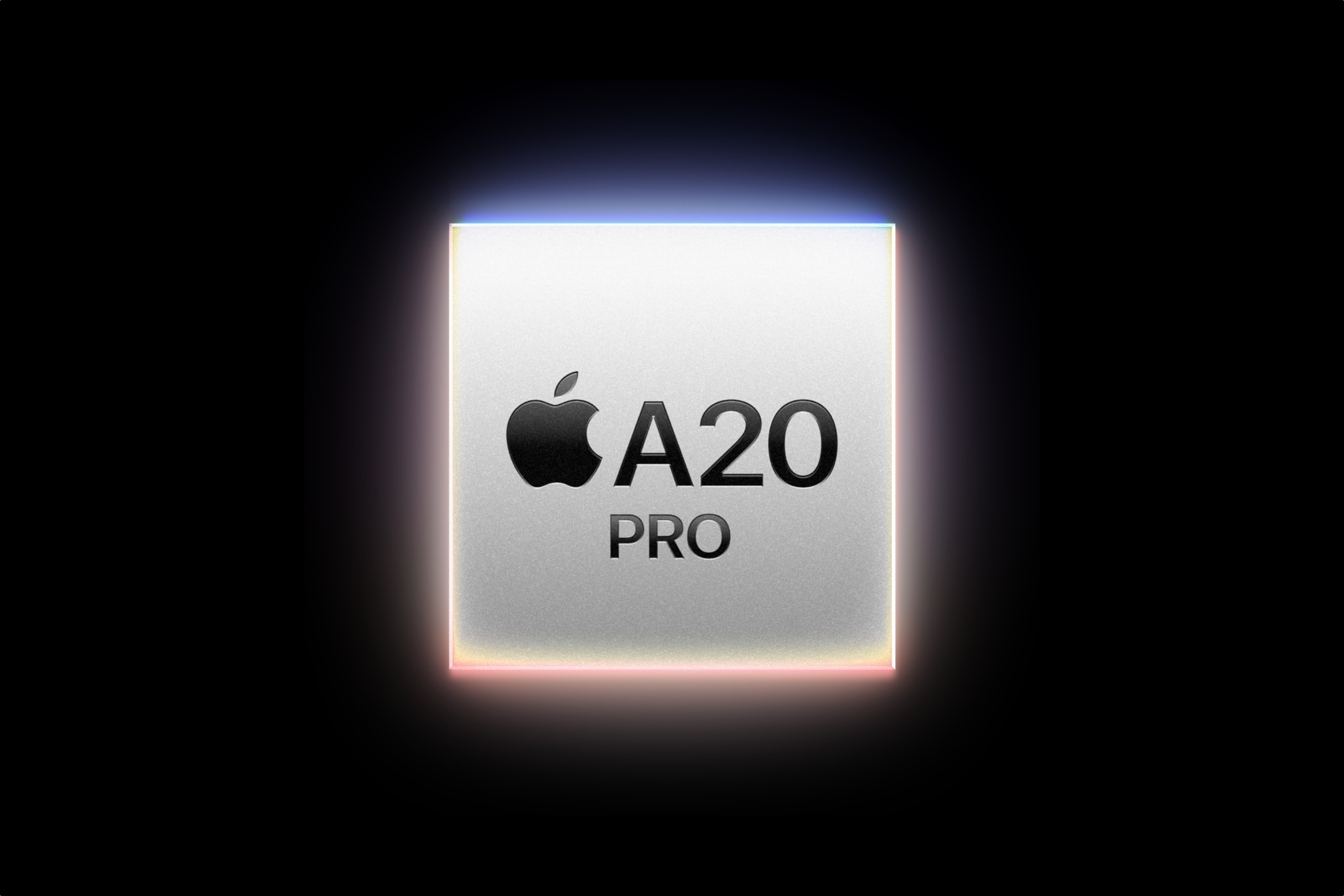
The A20 Pro silicon die now sits beside the memory instead of under it, the same trick Apple borrowed from the M-series chips for Macs. It allows the die to bolt onto a much bigger vapor chamber, the same cooling technology I flagged when it was still just a rumor for Apple’s foldable iPhone.
The A20 Pro chip is based on TSMC’s 2nm architecture, so performance and efficiency gains are expected. Apple has already touted better performance and enhanced battery life, better than any iPhone launched before the iPhone 18 Pro models.
The Price, And Why This Isn’t Incremental
The iPhone 18 Pro starts at $1,199, and the iPhone 18 Pro Max at $1,299. The price hike wasn’t drastic, something that the rumor mill had us believing. I’ll happily accept it.
None of these upgrades is a redesign on its own and I doubt Apple wants me calling it one. But a genuinely adjustable camera, a Dynamic Island Apple quietly admits was too big, and a thermal system built to stop the phone from throttling add up to more than a spec bump in my eyes.
I still think about the thicker iPhone 18 Pro leaks from back in July and how much noise they caused. Funny how little that debate mattered once the actual product saw daylight.
Leave A Reply